
Bed Bug Treatment- Heat & Chemical in Manesar
Why Choose Heat + Chemical for Bed Bug Control in Manesar
Nestled amidst Gurgaon and facing monsoon humidity and guest traffic, Manesar homes are prone to hitchhiker pests like bed bugs. These resilient insects multiply fast, hide in crevices, and can resist standard chemical sprays. A dual approach—commercial-grade heat treatment followed by a protective chemical layer—provides both rapid extermination and lasting prevention.
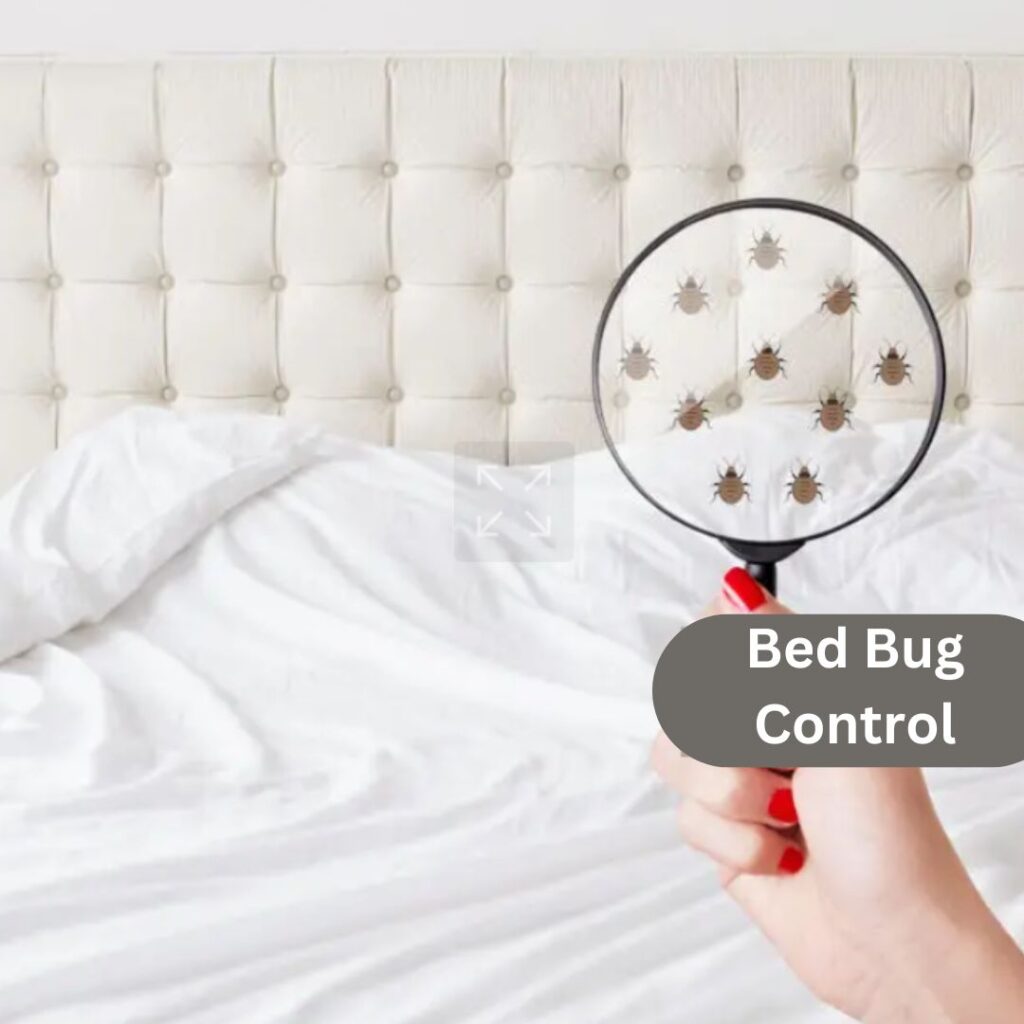
Heat Treatment: Comprehensive & Rapid Elimination
Kills Every Stage – Sustained temperatures between 50–60 °C (122–140 °F) destroy eggs, nymphs, and adult bugs, even in deep hiding spots
Chemical-Free and Safe – Ideal for homes with children or pets, it avoids harmful residues while still eliminating threats.
Fast, One-Time Solution – Usually completed in a single session with minimal inconvenience.
Chemical Treatment: Durable Residual Protection
Long-Term Barrier – Applied after heat, it creates a residual layer to trap any stragglers or prevent new infestations.
Targeted & Efficient – EPA-approved insecticides used strategically in skirting, cracks, and furniture junctions ensure thorough coverage without overexposure.
Our bed bug treatment in Manesar Process
1. Detailed Inspection & Prep
We assess infestation severity and advise on preparatory steps—decluttering, high-heat washing, and protecting heat-sensitive items.
2. Precision Heat Application
Industrial-grade heaters and fans ensure even heat distribution across rooms and soft furniture.
3. Residual Chemical Barrier
Following heat treatment, a fine layer of safe, targeted insecticide is applied to secure the space.
4. Follow-Up & Prevention Guidance
Post-treatment inspection ensures results, while we also provide tips on mattress encasements, hygiene, and regular monitoring.
Real Homeowner Insights
“I found a single bed bug the day after heat treatment… but none have shown up since. Maybe it was the lone survivor.”
This reflects how heat treatment is powerful but follow-up vigilance remains important.
Bed Bug Treatment Services Pricing Guidance in Manesar
Local estimates for combined bed bug treatments typically run between ₹1,500–₹3,000 per BHK depending on infestation severity. We’ll offer a precise, inspection-based quote accordingly.
Why AKS Facilities Stands Out in Manesar
Licensed & Experienced Technicians with specialized heat and chemical training.
Safe Practices protecting your family and belongings.
Flexible Scheduling to minimize disruption to your home life.
Satisfaction-Backed Guarantee with follow-up support for long-term peace of mind.
Community Tip
Homeowners emphasize that heat alone may expose hidden survivors if not paired with a residual barrier. Adding a chemical follow-up improves total eradication success.
Ready to Eradicate Bed Bugs?
Don’t wait for bites to escalate. Call AKS Facilities now for a fast, effective, and safe Heat + Chemical Bed Bug Treatment in Manesar.
Contact
Phone: +91-8800552456
Email: info@aksfacilities.in
Let us help you reclaim your space—free of bed bugs and SAFE for good.
FAQs — Heat + Chemical Bed Bug Treatment in Manesar
Quick answers about how the combined heat and chemical approach works, safety, timing, resistance and cost-effectiveness.
Using heat alone kills existing bed bugs quickly but leaves no residual protection. Chemical treatment provides a follow-up layer of defence (residual activity) to prevent re-infestation. Together they increase the chance of a one-visit, long-lasting result.
Yes—when the treatment is properly planned. Technicians will advise you to remove or protect heat-sensitive items (certain electronics, wax objects, perfumes, photographic film, etc.) before the service. Most furniture, mattresses and soft furnishings tolerate the controlled temperatures used for bed bug eradication.
Typically you can return the same day once the area has cooled and been ventilated. Heat treatment itself is chemical-free; post-treatment chemical application uses products with low residual exposure when applied by professionals. We always follow safety protocols and confirm when it’s safe to re-enter.
Yes—bed bugs have developed resistance to certain common insecticide classes (for example, many populations show reduced susceptibility to pyrethroids). That’s one of the main reasons combined heat plus chemical approaches are advised: heat bypasses resistance and chemicals provide residual protection.
While the combined method can be somewhat more expensive upfront than a single-method treatment, it often proves more cost-effective over time because it reduces the need for repeat visits and lowers the risk of ongoing infestation. The higher initial success rate typically delivers better value in practice.